
 Email us
 Whatsapp us



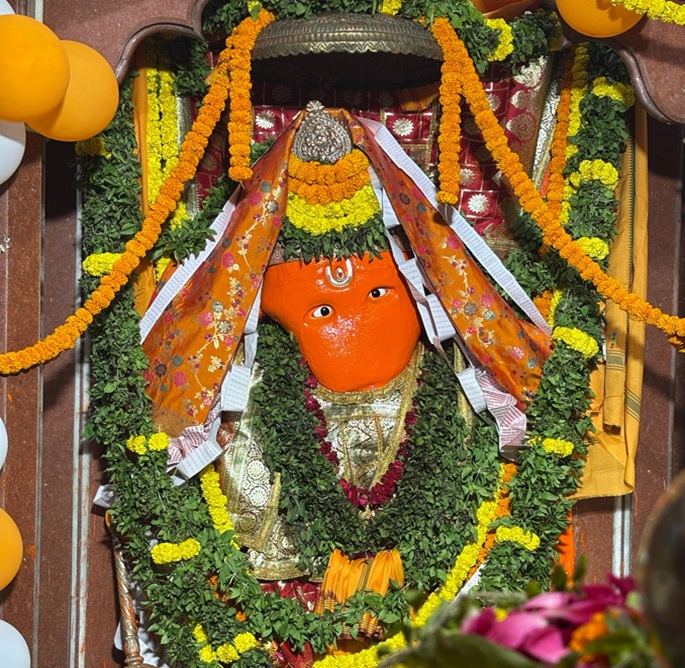
 "ॐ ह्रीं क्लीं पंचवक्त्राय वज्देहाय महाबलाय रामदूताय स्वाहा"
Dukh Haran Hanuman Sarva Kasht Nivaran Anusthan
Enhanced spiritual consciousness and inner awakening

0+ Devotees




About Puja
 - Copy.png)
Benefits of Puja

Spiritual Protection & Enemy Neutralization
Protects against enemies, competitors, and hostile intentions, rendering their ill-will powerless and shielding you from adversaries.

Black Magic & Tantric Defense
Guards against tantric attacks, evil eye, sorcery, curses, negative energies, nightmares, and irrational fears affecting mental peace.

Planetary Dosha Remedies
Mitigates malefic effects of Mars, Saturn, Rahu, and Ketu dosha in birth charts, bringing harmony to life's path.

Health & Physical Wellness
Improves health outcomes, provides relief from chronic diseases, enhances physical vitality, and creates protective shield around body.

Mental Strength & Confidence
Increases courage, decisiveness, self-confidence while calming anxiety, transforming fear into fearlessness and providing emotional stability.

Business, Professional & Academic Success
Accelerates entrepreneurial growth, protects ventures from rivals, enhances student focus, memory, exam success, and career advancement opportunities.
Book Your Puja in 3 Easy Steps
Choose Your Puja & Package
Browse through a range of personalized puja options based on your needs—health, wealth, relationships, or spiritual growth. Each package is curated with care by priests.
Fill in Your Details
Share the names and gotras of all participants to personalize the puja on your behalf. Provide your address to receive the sacred prasad directly at your doorstep, carrying the divine blessings from Kashi.

Pay & Join the Live Stream
Complete your booking through secure payment options. Sit back, relax, and experience the puja live from the holy city of Kashi—right from the comfort of your home.
Puja Packages

108 Dukh Haran Hanuman Kavach Path
108 Hanuman Kavach mantras for protection, strength, and relief from suffering. Gain divine blessings of courage, obstacle removal, and spiritual fortification.

11000 Kasht Nivaran Beej Mantra Jaap
11000 powerful Beej Mantra recitations to eliminate life hardships, obstacles, and challenges. Receive divine grace for prosperity, peace & complete resolution.

Sakat Haran Hanuman Tantra Yukta Homam
Perform sacred fire ritual combining Hanuman Tantra with Homam to destroy obstacles, remove debt, and invoke blessings. Achieve rapid problem resolution.

Participate In All Purnima Anusthan
Full Moon rituals for continuous spiritual growth, healing, and blessings. Participate in sacred ceremonies aligned with lunar phases for maximum divine benefit

Individual Family 11000 Kasht Nivaran Beej Mantra Jaap
11000 Beej Mantra recitations for your family's complete well-being, prosperity, and obstacle removal. Receive personalized divine blessings for household peace

Individual Family 11000 Kasht Nivaran Beej Mantra Jaap & Homam
11000 Mantra Jaap with sacred Homam ritual for ultimate family protection, prosperity, and transformation. Achieve complete obstacle removal.
About Temple
Kashi Teerth Kshetra boasts a history that spans thousands of years. According to Hindu mythology, Lord Shiva, the supreme deity, is believed to reside in the city. It is said that a visit to Varanasi and a dip in the holy waters of the Ganges can wash away sins and lead to spiritual liberation.
 Kashi Teerth Kshetra
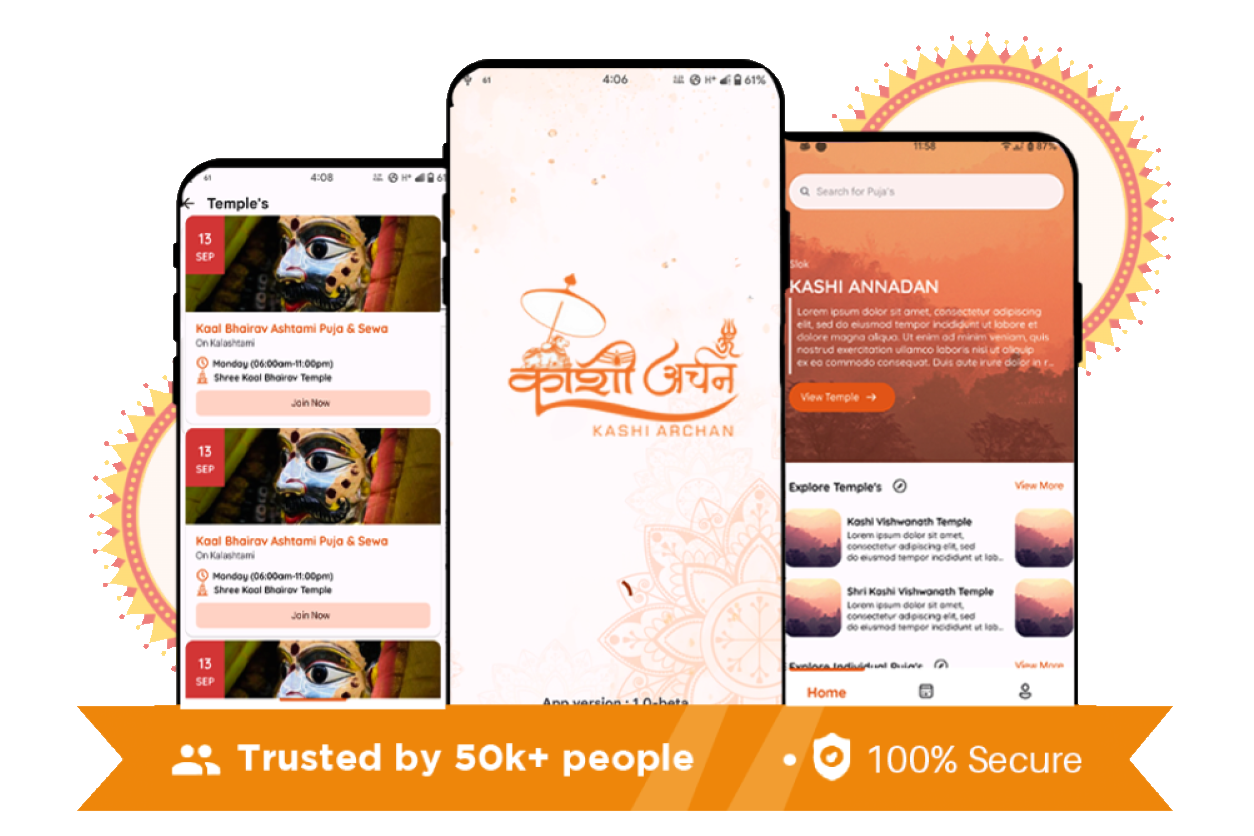
Experience Hindu Puja And Sewa With Kashiarchan 
Offer pujas, watch darshan & receive holy prasad at your home from most auspicious temples across India.


We Are Ready To Help
Need Help, Call Our HelpLine
+91-9198898999
Need Help, Email to us
kashiarchan@gmail.com

 Enter
Your
WhatsApp Mobile Number
Enter
Your
WhatsApp Mobile Number